Copper-phosphorus brazing alloys
Filler metals commonly considered for compatible copper-to-copper and selected copper-alloy joints.
View copper brazing alloys →Filler metals for durable brazed joints
Source brazing alloys by base-metal combination, filler-metal composition, melting range, product form, dimensions and quantity for HVAC, refrigeration and industrial joining.
Product overview
S.K. Metal supplies brazing alloys for buyers who need filler metal matched to the base metals, joint design, service conditions and approved brazing procedure.
The filler metal must melt below the solidus temperature of the components being joined and flow through a properly designed joint. Selection involves composition, solidus and liquidus temperatures, joint clearance, flux or atmosphere, heating method, required strength, corrosion conditions and any restrictions on alloying elements.
See what to include in your brazing alloy enquiry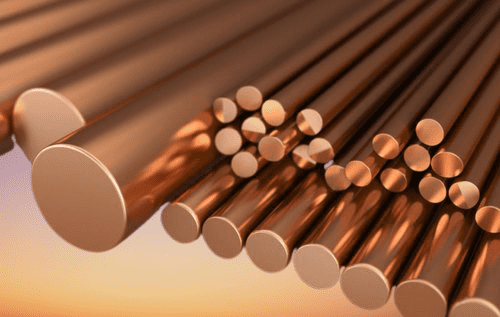
Alloy families and forms
Start with the base metals and service conditions, then confirm composition, melting range, form and dimensions.
Filler metals commonly considered for compatible copper-to-copper and selected copper-alloy joints.
View copper brazing alloys →Silver-bearing filler metals for compatible ferrous and non-ferrous base-metal combinations.
View silver brazing alloys →Cadmium-free options for projects that restrict cadmium and specify an approved silver-alloy classification.
Request composition details →Straight rods, wire or coil forms selected to suit manual, automated and production brazing methods.
Request available sizes →Measured filler-metal forms for repeat joints when geometry, alloy and quantity are clearly specified.
Discuss preform requirements →Alloys selected together with the approved flux or controlled atmosphere required by the joining procedure.
Send your brazing procedure →Specification guide
A complete specification helps avoid choosing an incompatible alloy, melting range, flux or physical form.
Important: A filler metal must not be selected only by silver percentage or product appearance. The responsible welding or brazing professional should approve the alloy, joint design, preparation, flux, heating cycle and safety controls.
Applications
The correct filler metal depends on the base metals, joint design, heating method and operating conditions.
Brazed copper tube, fittings, coils and compatible refrigerant-line components.
Compatible copper and copper-alloy joints produced under an approved installation procedure.
Tube, return-bend and header assemblies requiring repeatable, pressure-tight brazed joints.
Joining compatible steels, copper alloys and mixed-metal assemblies with a selected filler metal.
Conductive joints and components where alloy selection accounts for electrical and thermal service.
Only project-approved filler metals, procedures, cleanliness controls and qualified personnel should be used.
Quality and documentation
Ask for documentation applicable to the exact composition and product form being quoted. Welding professionals can review the AWS filler-metal standards information when identifying the governing classification.
Discuss your material requirement →Ordering checklist
Send the approved filler-metal specification or brazing procedure when several alloys, forms or sizes are required.
State the grades, coatings and thicknesses of every component being joined.
Provide composition, classification, silver content where relevant and applicable standard.
List rod diameter and length, wire size, ring dimensions or other required physical form.
State heating method, flux or atmosphere, joint clearance, service conditions and qualification requirements.
Include weight or piece quantity, packaging, delivery location, schedule and documentation requirements.
Frequently asked questions
Provide base metals, filler-metal classification or composition, form, dimensions, quantity, joining process, delivery location and documentation requirements.
Brazing uses a filler metal with a liquidus above 450°C while the base metals remain solid. Soldering uses filler metals with a lower liquidus temperature.
They are commonly considered for compatible copper-to-copper joints and selected copper-alloy combinations. Flux requirements and suitability vary with the base metals and filler composition.
Silver-bearing alloys can provide useful flow and joining characteristics across compatible ferrous and non-ferrous metals. Selection must consider composition, melting range, joint service and element restrictions.
No single rule applies. Flux or a controlled atmosphere depends on the filler metal, base metals, heating method and approved process. Follow the applicable procedure and supplier instructions.
Document availability depends on the alloy, brand and order. State the exact certificate, lot traceability or inspection requirement before quotation.
Request a quotation
Include base metals, alloy classification, product form, dimensions, quantity and delivery location. S.K. Metal will review availability and the applicable commercial and technical details.
Send your requirement