Suction-line rubber sleeve
Because cold suction lines can face condensation, match the sleeve to pipe OD, temperature and ambient humidity.
Review dimensions →
Flexible insulation for AC copper lines
Rubber Sleeves for Air Conditioner fit over specified copper refrigerant pipes to help insulate AC lines. For the correct fit, confirm the pipe outside diameter, sleeve bore and wall thickness. Then send S.K. Metal the material, length, quantity and installation conditions for your enquiry.
Product overview
For air-conditioning installers and buyers, S.K. Metal reviews rubber sleeve enquiries by copper pipe OD, sleeve bore, insulation wall and installation conditions. In addition, a complete line schedule helps match each sleeve to its intended position.
Because AC suction and liquid lines may have different temperatures, the system designer should check each line's insulation needs separately. In addition, choose a material that suits indoor or outdoor exposure and the project's fire requirements. However, open joints or damaged material can undermine a sleeve's performance. Therefore, include fittings, bends and sealing details in the schedule.
See the AC sleeve enquiry checklist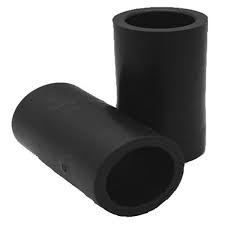
Types and configurations
Begin by confirming each refrigerant line's outside diameter and operating conditions. Next, identify sleeve wall, material and installation method. For example, a cold suction line may need particular attention to vapour sealing.
Because cold suction lines can face condensation, match the sleeve to pipe OD, temperature and ambient humidity.
Review dimensions →In addition, any liquid-line covering should follow the air-conditioner maker's installation instructions.
Discuss line details →Similarly, outdoor runs may need weather and UV protection according to the approved project detail.
Provide exposure details →Moreover, the required insulation wall can vary by pipe size, location and operating conditions.
Review wall options →Where regulations apply, request evidence of the exact fire classification required by the project.
Review documents →Finally, repeat orders can follow an approved copper line schedule and insulation datasheet.
Send your schedule →Specification guide
A complete refrigerant-line schedule helps prevent errors in bore size, wall thickness and material selection. Moreover, it gives the supplier a basis for checking availability. Consequently, include both pipe dimensions and the required sleeve properties.
Important: Do not select a rubber sleeve by nominal copper pipe size alone. Instead, confirm actual OD, required wall, line temperature and installation environment.
Applications
Because AC systems differ, the system designer must match sleeve material and wall to the line service and ambient conditions. Likewise, installers should seal joints according to the approved installation detail.
For example, a specified sleeve can cover the approved refrigerant-line route.
Moreover, larger projects need line-by-line sizing and continuity at joints.
In addition, building projects may specify fire and vapour-performance criteria.
Where the sleeve is exposed, confirm weather protection and UV suitability.
However, replacement sleeves should match the approved copper line and insulation schedule.
Therefore, standardize bore and wall selections for each approved equipment type.
Quality and documentation
Before ordering, confirm copper pipe OD, sleeve bore, wall thickness, temperature range and the required test reports. In particular, check that any fire classification applies to the exact product offered. Also verify outdoor suitability where the pipework is exposed. For general copper refrigeration tube guidance, buyers can review the Copper Tube Handbook.
Discuss your material requirement →Ordering checklist
To request an accurate quotation, send the AC copper line schedule, sleeve wall, material, performance criteria, quantity and delivery details. Additionally, identify bends or outdoor sections needing separate treatment.
First, state the equipment type, line temperatures and installation location.
Next, provide actual copper pipe ODs and required sleeve bores.
Then identify wall thickness, material, density and performance requirements.
In addition, state length, bends, vapour sealing and exposure needs.
Finally, include quantity, destination, schedule and requested documents.
Frequently asked questions
These flexible sleeves fit around specified AC copper pipes. As a result, selection depends on line size, temperature and installation environment.
Start with the copper pipe's actual outside diameter. Next, select the matching sleeve inside diameter according to the supplier's fit guidance.
Because wall thickness affects thermal performance, it can also influence surface-condensation risk. However, the specified wall must follow the system designer's calculation.
No. Rubber formulations differ. Therefore, request the exact material datasheet, and specify nitrile rubber if that is what the project requires.
For a useful quote, provide copper pipe OD, sleeve wall, material, service conditions, length, quantity and delivery location.
Although availability depends on the specific product, buyers can request evidence of the relevant classification. In addition, state the exact test method required by the project.
Request a quotation
To begin, include copper pipe OD, sleeve wall, material, line temperature, length, quantity and delivery location. Afterward, S.K. Metal will review the enquiry.
Send your requirement