Standard plumbing P-trap
First of all, a standard trap connects a compatible fixture outlet to the specified waste line while retaining a water seal.
Review specification details →
Plumbing traps for compatible waste connections
First of all, source a P-Trap by inlet size, outlet size, material, trap-seal depth, centreline geometry, connection type and quantity.
Product overview
In addition, S K Metal supplies plumbing traps for buyers who need a compatible fixture-waste connection with a retained water seal.
Moreover, each trap must match the fixture outlet, waste connection, material, seal depth, centreline dimensions and approved installation method. However, dimensions and code requirements vary by application and location. Therefore, the plumbing designer or installer should confirm suitability before ordering or installation.
See what to include in your trap enquiry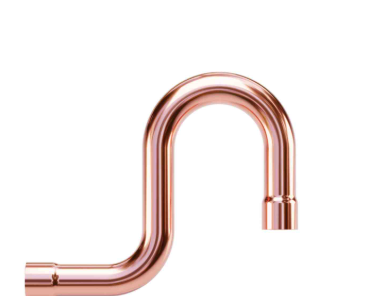
Types and configurations
First of all, confirm the fixture and waste connection sizes. Then verify material, seal depth, geometry, cleanout and joint type.
First of all, a standard trap connects a compatible fixture outlet to the specified waste line while retaining a water seal.
Review specification details →In addition, a cleanout arrangement can provide access where the approved plumbing design requires it.
Discuss cleanout requirements →However, adjustable components must maintain correct alignment, seal depth and leak-tight connections after installation.
Provide connection dimensions →Moreover, threaded or compression-type ends must match the mating component and approved sealing method.
Request dimensional review →Furthermore, commercial enquiries should identify fixture type, material, finish and maintenance requirements.
Discuss project requirements →Finally, drawing-based inlet, outlet, seal, centreline and end details can be reviewed for project requirements.
Upload a dimensional drawing →Specification guide
Therefore, a complete specification helps prevent errors in fixture connection, waste outlet, seal depth, centreline geometry and joint requirements.
Important: Do not select a plumbing trap from size alone. Therefore, the designer or licensed installer should approve material, seal depth, venting, connections and code compliance.
Applications
Because fixtures and regulations differ, the correct trap depends on connection sizes, seal requirements, material and installation conditions.
For example, compatible traps connect basin waste outlets to approved sanitary drainage lines.
Moreover, sink installations require suitable size, material, seal depth and maintenance access.
In addition, approved traps can serve compatible laundry or utility fixtures.
Furthermore, project specifications may define material, finish, cleanout and fixture compatibility.
However, centreline dimensions and end connections must match the approved waste layout.
Therefore, repeat components should be approved by drawing, sample, tolerance and inspection criteria.
Quality and documentation
Before ordering, define the inlet, outlet, seal, centreline, material and connection checks required for the exact P-Trap. In addition, when copper connections are specified, designers can review the Copper Tube Handbook for general joining guidance.
Discuss your material requirement →Ordering checklist
For an accurate quotation, send the fixture and waste-connection schedule together with the material and installation specification.
First of all, state standard, adjustable, cleanout, threaded or drawing-based configuration.
Next, provide inlet, outlet, seal depth, reach, overall height and tolerances.
Then list material, finish, threaded, compression, soldered or other connection details.
In addition, state fixture type, waste service, installation location and applicable specification.
Finally, include pieces, sample approval, packaging, destination, schedule and documentation.
Frequently asked questions
In general, it connects a plumbing fixture to a waste line while retaining a water seal intended to limit sewer-gas passage.
In addition, provide inlet and outlet sizes, seal depth, reach, overall height, material, end connections and tolerances.
No. However, the required size depends on the fixture, drainage design and applicable plumbing rules.
Availability depends on trap size, material and configuration. Therefore, state the cleanout position and project requirement before quotation.
In general, a qualified plumbing designer or licensed installer should confirm sizing, seal depth, venting, connections and local code compliance.
Yes, but availability varies by order. Therefore, list material, dimensional, inspection and traceability requirements before quotation.
Request a quotation
To begin, include inlet, outlet, seal depth, reach, height, material, finish, connections, quantity and delivery location. Afterward, S K Metal will review availability and quotation details.
Send your requirement